


Born in Peckham on 8 December 1964 and raised in South East London, Julius Francis recalled which sports piqued his interest as a kid. “Honestly? None! As a kid, growing up in Woolwich, there wasn’t that much available. There was a football pitch in front of where we lived, but I didn’t necessarily have a sport that I was into. It wasn’t until I was in my senior year at school that I started playing football, basketball and rugby, but I was never really a standout athlete at all.”
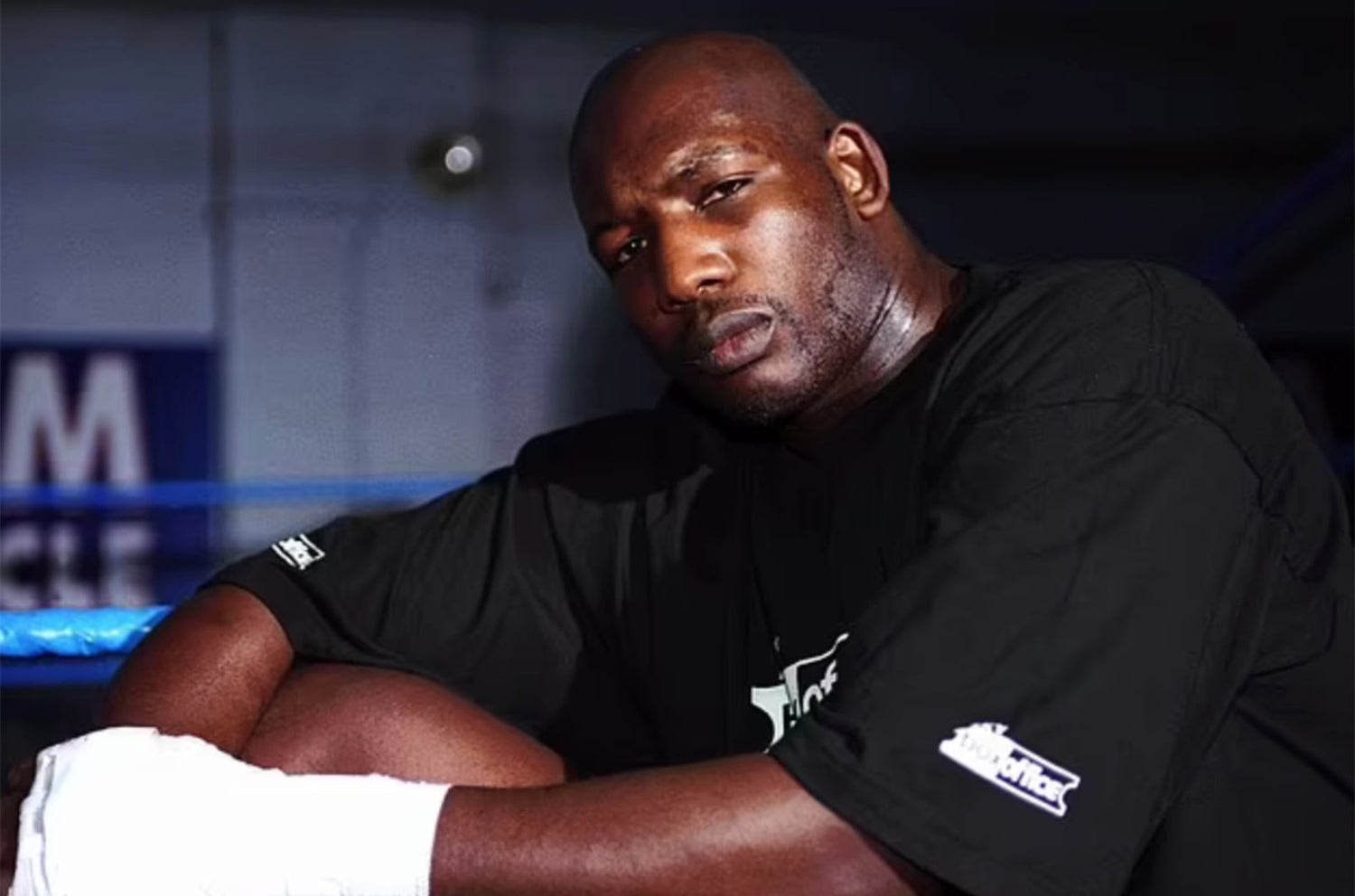
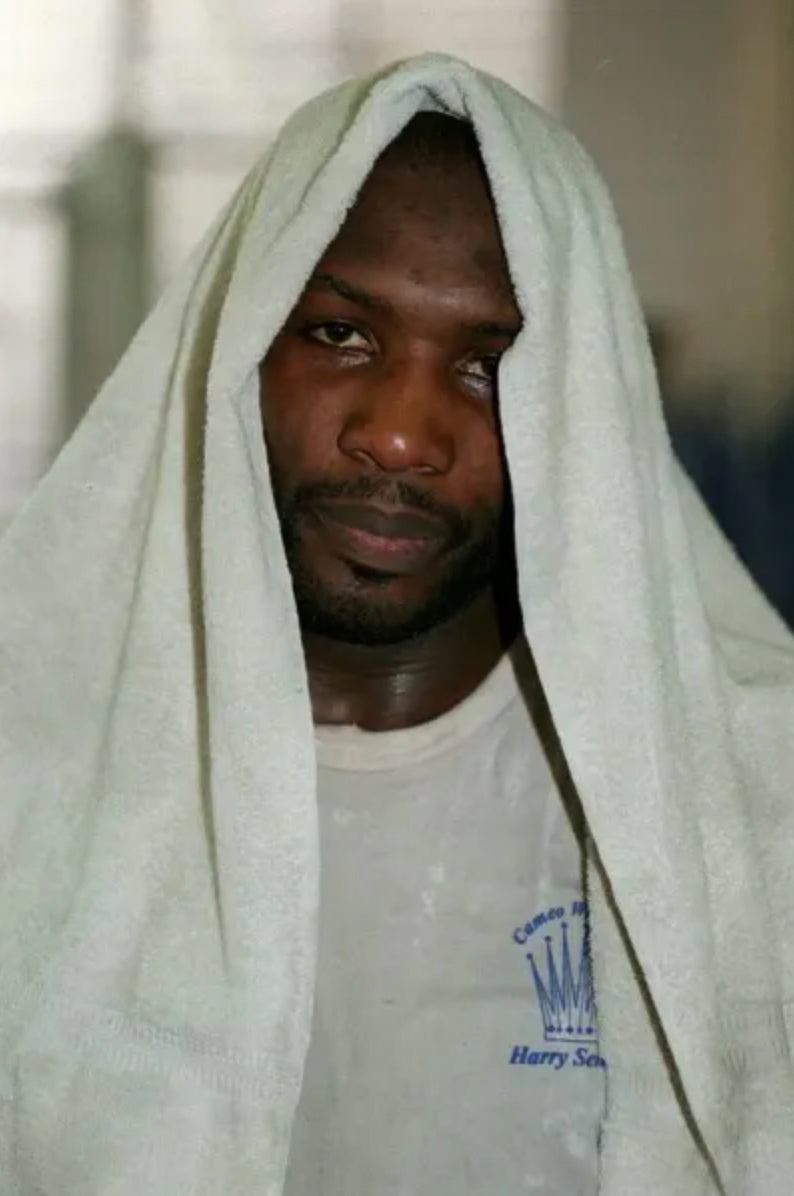
Before becoming a British boxing icon, Francis explained how he unintentionally became an accomplished martial artist. “I had a friend of mine who was into karate and one day he took me to one of his karate classes, which was up by Plumstead Common, above the Co-op. Then, it wasn’t until I left school and I was about 18 that I discovered boxing.
“Another friend of mine who I was at school with, was boxing on TV and when I came home from work, I heard his name mentioned, looked at the telly a bit closer and knew it was him. I watched him box and win the ABA’s on the BBC and I thought, ‘I can do that.’ I was big and strong, and being 18, I thought I could rule the world.
“I met this mate, he took me to a boxing gym and then I kind of fell in love with boxing at that point. Another friend of mine, my best friend, John, did kung fu and I also started doing that. This was after I’d been stabbed and almost died and I took up king fu, as you do. I also did Tae Kwon Do, Tai Chi and then I found kickboxing and continued on that route, but not really knowing where I was going, in the sense of not really knowing which martial art was for me.
“I then came out of prison in 1989 and a friend of mine had a gym, and he said I could come down and train whenever I wanted. I was down there one night and they had boxing bags and all that, and I was hitting the bag and a guy came down, who ran classes there and he started watching. He liked what he saw and came over and said, ‘Would you like to fight for money? I’ll train you and I’ll get you some fights.’ I was already doing a lot of street fighting for nothing and thought, ‘Get paid for fighting? Yeah. I’ll have some of that.’ That’s how I got into the kickboxing at the beginning of 1990 and by the end of that year, I’d won the European heavyweight title.”
On 23 1993, at the relatively late age of 28, Francis turned pro in the boxing ranks. In his first 18 months, he fought nine times, with eight victories, five by knockout and only one loss, which was against future world heavyweight champion, John Ruiz. Then, on 23 February 1995, he knocked out Damian Caesar in the eighth round to win the Southern Area title. Francis described his mixed emotions on winning his first heavyweight strap. “Before Damian Caesar, I had my run, then lost against John Ruiz, which was a kind of eye opener. It made me really knuckle down, as a professional fighter and say, ‘Right. It’s either the professional game or nothing. You can’t do this as a hobby.’
“When I look back, the fight against Damian Caesar was a great fight and winning the Southern Area title was a great achievement, but it wasn’t what I set out for myself as a professional boxer. Years earlier, a mate of mine was five times British champion in martial arts and I asked him one day what it felt like to be a champion. He said, ‘It’s a feeling you can’t describe.’ I wanted that feeling, but I wanted to be British champion. That was my goal.”
Later that year, Francis lost his title to Scott Welsh (he would avenge that defeat in 1999 see below) but bounced back with some impressive victories, such as a fifth round stoppage of 6ft 9inches James Oyebola, whilst defending his Southern Area title.
He then lost to world title contender and European heavyweight champion, Zeljko Mavrovic. Next up was tough Zambian, Joseph Chingangu, who he fought on 30 June 1997. “Chingangu hit me with everything, from everywhere in that first round. I didn’t know where the punches were coming from and he was battering me all over the place. When I got back to my corner I was like, ‘What the fuck is going on here?’ The fight went 12 rounds and I won on points. He was a very strong guy and a few years later went on to stop Herbie Hide.”
In addition to winning the fight, Francis also took away the Commonwealth heavyweight title. Three months later he knocked out Gary Delaney to add the British title to his cabinet. Francis expressed the joy of winning the coveted belt. “Going to Belfast was a different experience. Gary had already been Southern Area and Commonwealth light heavyweight champion and had moved up to heavyweight. He was a tough fighter. Before I turned pro in 1992, I went and sparred with him and I hated it, because he had a great left hook to the body and head. If I’m honest, back then, I feared him in the ring.
“However, fighting him for the British heavyweight title, I knew I’d reached my destiny to become British champion. I was very fearful of losing and I remember walking with my trainer, Mark Rowe after we’d eaten, and asked, ‘Mark. I can’t see myself losing, but what if it does happen? I won’t have fulfilled my destiny.’ He said, ‘We’ll start again.’
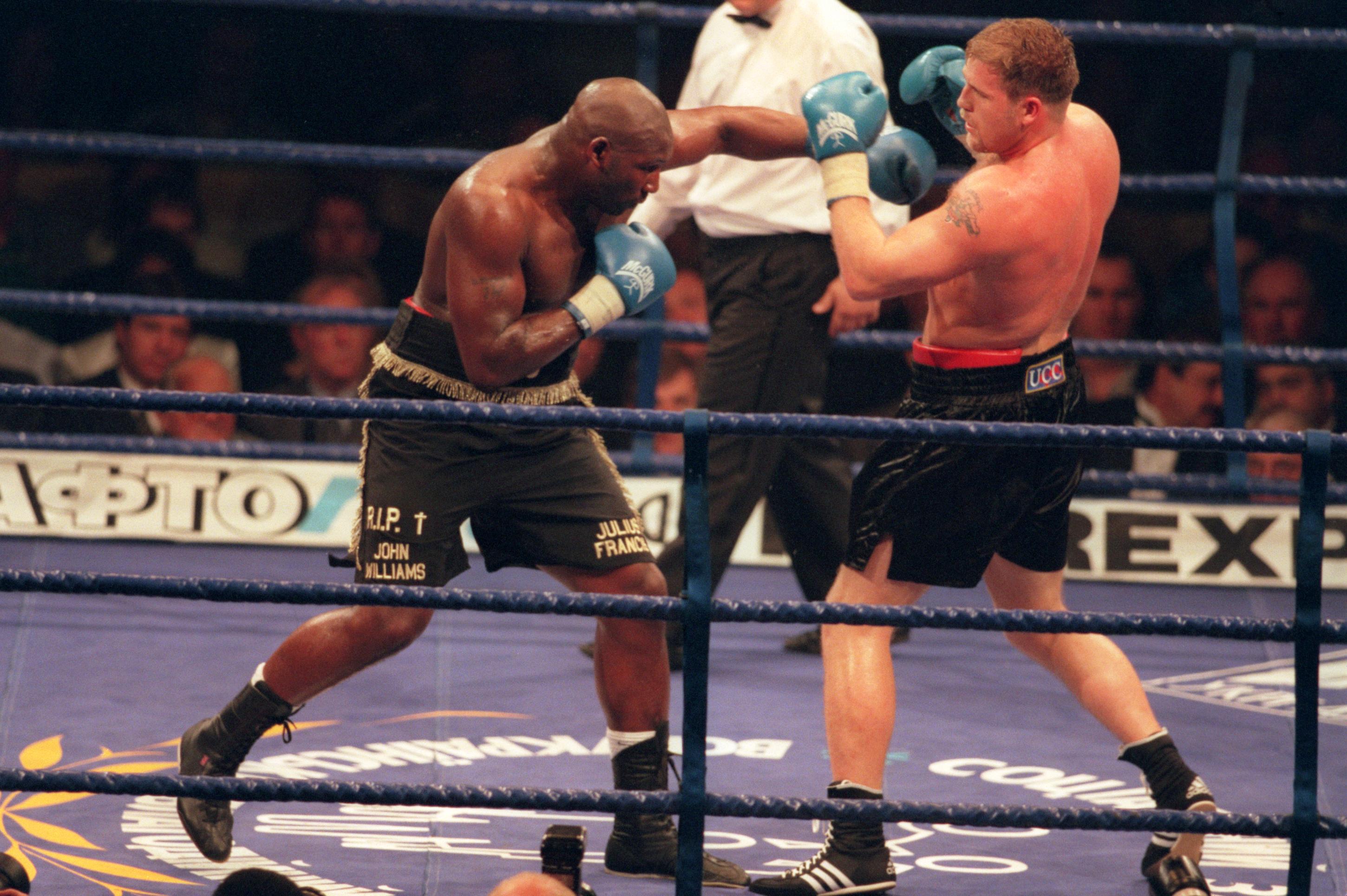
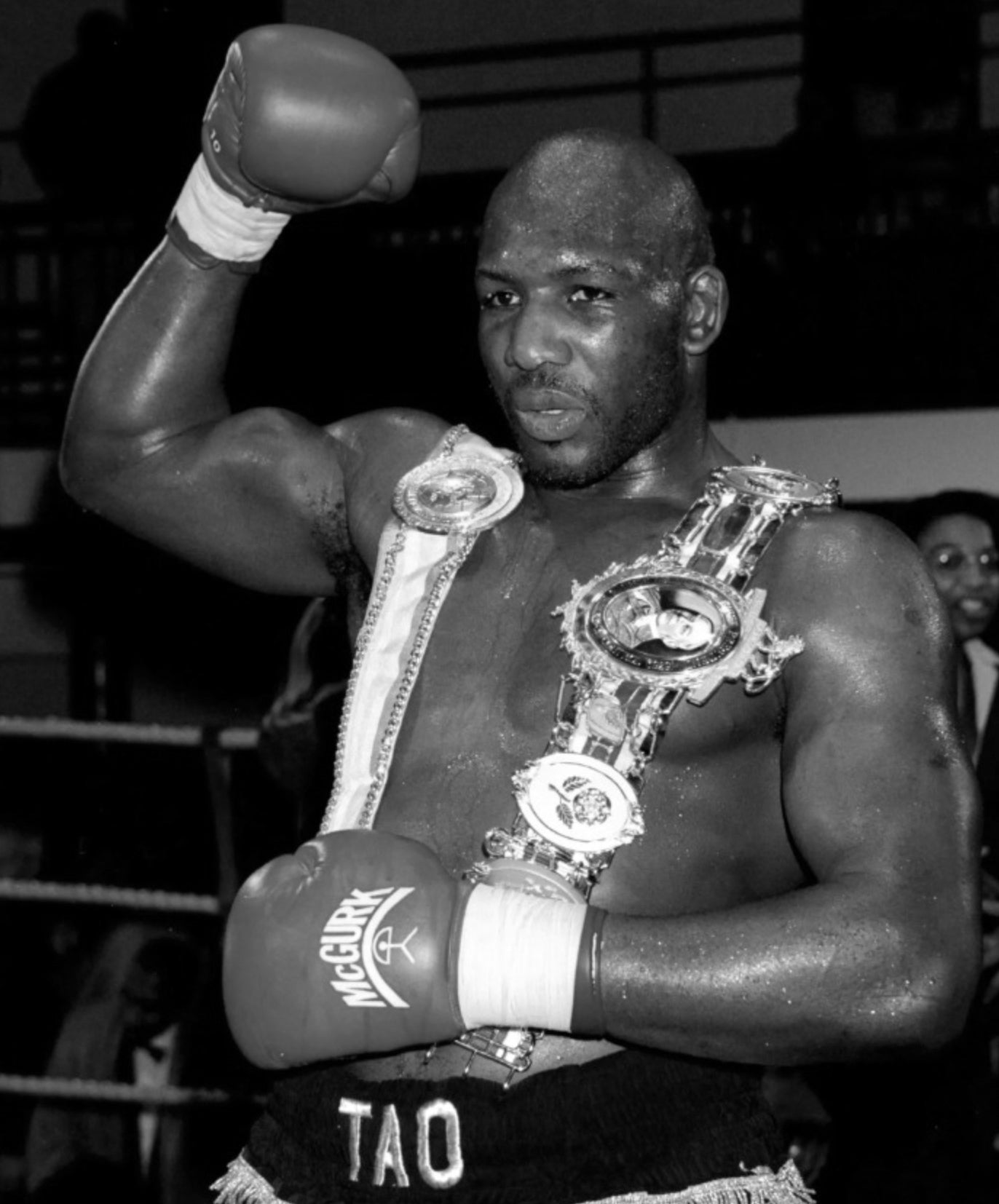
“It was a tough fight, but I stopped him in the sixth. I’d reached my goal of becoming British champion and when I won it, I let out this roar and I looked at that belt and said to myself, ‘You’ve done it. You’re British champion.’”
Francis lost his next two fights, but against very respected opposition. Firstly, Axel Schultz for the European title and then two months later against legendary Ukrainian, Vitali Klitschko. Francis recalled Dr Ironfist’s punch power. “The thing with Klitschko, was that he was an unknown quantity to me at the time and maybe even in the world of boxing. He was very, very strong and technically proficient, but I wasn’t scared of his size, because I’d fought guys bigger than him. The problem was his strength. He could really hit. When he landed that big right hand on me, I thought someone had come into the ring and hit me from behind, it was that good.”
On 30 January 1999, Francis fought Pele Reid, putting his British and Commonwealth titles on the line. Reid was a former prolific world kickboxing champion, who remains the only person to have knocked out Vitali Klitschko to this day (under kickboxing rules). Francis explained how the fight came about. “I was meant to fight Danny Williams before this, but Danny got injured and that fight was delayed. In the meantime, Pele stepped in. As far as the press was concerned, Pele was the next best thing. He had an impressive record, but he hadn’t fought anybody of note, whereas my career, right from the get-go, I’d been up against it. I had a lot more experience at a higher level, even though he had a bigger knockout ratio of 13 fights, 13 knockouts. Also, he was a Brendan Ingle fighter and they were quite dominant. You had Naz, Johnny Nelson, Errol Graham – all big names in boxing and all coming out of his stable.
“Going into the fight, a few hours before, I said to my trainer, Mark, ‘As far as I’m concerned, I’m gonna knock this fella out.’ I’ve never, ever said that before, but I said that, because I felt disrespected. They were touting this guy who hadn’t done anything in pro boxing - yes, was a former world kickboxing champion, but I was the defending British and Commonwealth heavyweight boxing champion going into this fight and he needed to get through me. The fact that everyone was looking past me, motivated me to knock him out.
“He came out first round and hit me with everything. I couldn’t see what he was throwing and I’ll be honest, he could punch. However, I felt there was something lacking that I could capitalise on. One thing I’d heard about Pele, was that when they sparred at Brendan Ingle’s gym, they never sparred with headshots and if you’re not used to getting hit in the head, when you do get hit by smaller gloves in the ring, it’s gonna be a shock. When I did hit him, I saw his reaction and I was all over him.”
Francis stopped Reid in the third round. The South East Londoner added. “I’d gone through a lot prior to that fight. My best friend, John had passed away a couple of months before, so there was a lot of pride, pain and emotion going into that fight. I dedicated that fight to John.”
Taking on the best domestic rivals Britain had to offer, in his next two fights, he beat Danny Williams who was also undefeated in 15 fights and then old foe, Scott Welch. After three fights on the bounce with three successful defences of his British and Commonwealth straps, Francis expressed his contentment with winning the Lonsdale belt outright. “As far as I’m concerned, it’s that belt that everyone wants. It’s nice to be a world champion, but there’s so many of them now, whereas the history of this belt is something else.
Knowing who won it before, the likes of Henry Cooper and then having that title in front of me as we speak and being able to say to my children and grandchildren, ‘That was my achievement and nobody can ever take that away from me.’ That’s special. That was my goal when I set out in boxing.”
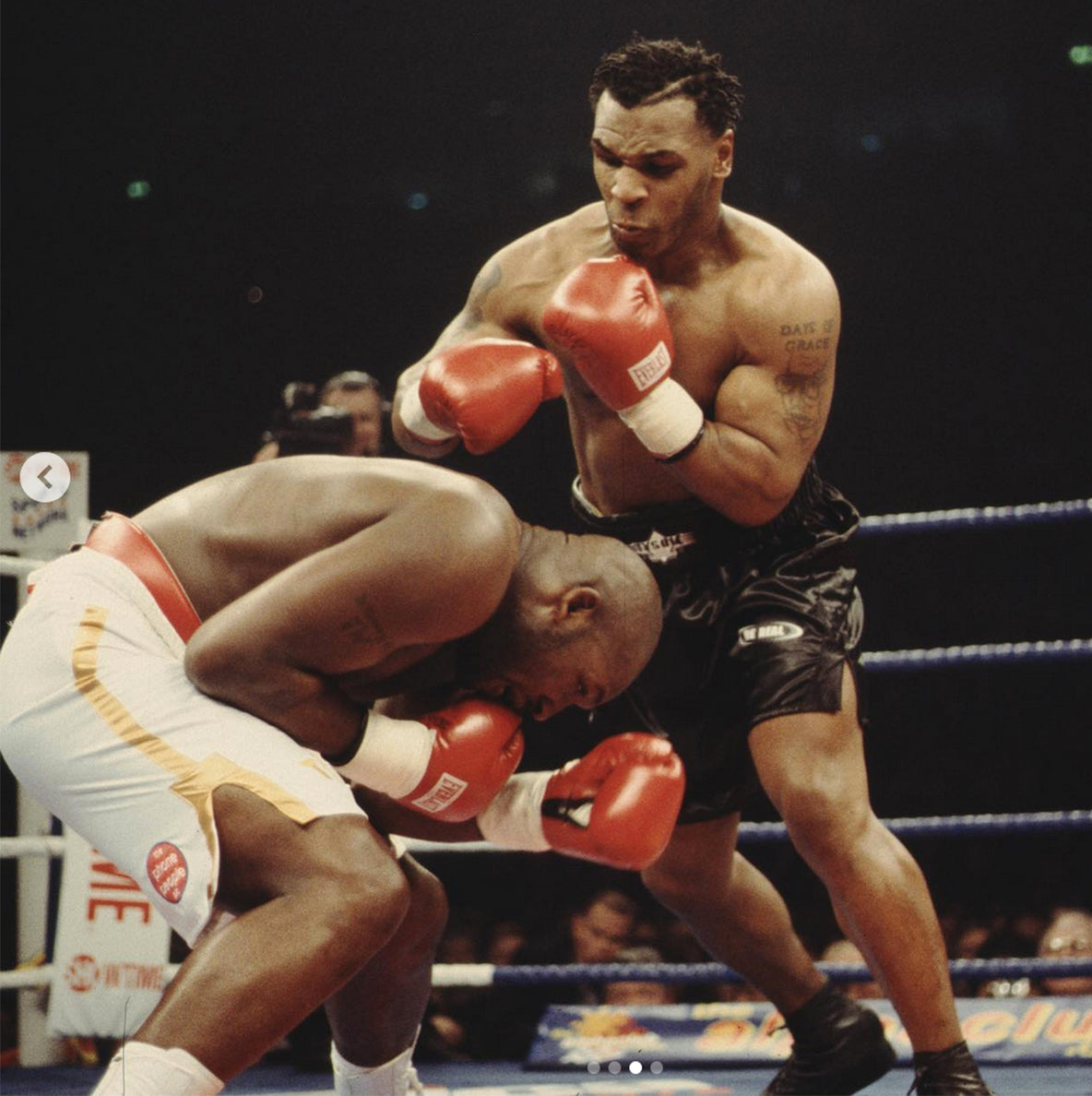
On 29 January 2001, Francis recalled his fight with Iron Mike Tyson fight. “I knew he was going to be strong, but I didn’t expect him to be so good. There was this thing at the time that he was past his best, but I can tell you first hand, he certainly wasn’t. He’d lost twice against Holyfield, then he fought Frans Botha, which I watched, because I was commentating at the time. Then he stopped Orlin Norris in the first round. They were tough opponents, but I felt, after having beaten the top three fighters in Britain apart from Lennox, I was the best heavyweight fighter in the UK. He wasn’t going to fight Lennox, so I was the next best on the list. I went into that fight thinking, ‘He’s not good enough to beat me, but oh, how wrong I was!” Francis was stopped in the second round.
Francis’ fighting spirit was never in doubt and two months later he lost to Mike Holden, but bounced back with gusto only three weeks later and beat him to became WBO Intercontinental heavyweight champion. Francis carried on fighting until 2006 having won 23 times, with 12 knockouts. He was the Southern Area, British, Commonwealth and WBO Intercontinental heavyweight champion. The calm, endearing Londoner shared some sage words of wisdom for any fighter looking to enter the pro boxing game. “Listen, keep your eyes and ears open, your mouth shout and drink in all the information that you can. Be a sponge and don’t be afraid to step out of your comfort zone to see things differently.”
CREDITS
Article/Interview: Paul Zanon, has had nine books published, with almost all of them reaching the No1 Bestselling spot in their respective categories on Amazon. He has co-hosted boxing shows on Talk Sport, been a pundit on London Live, Boxnation and has contributed to a number of boxing publications, including, Boxing Monthly, The Ring, Daily Sport, Boxing News, Boxing Social, amongst other publications.
FROM OUR BLOG
DISCOVER THE LEGENDS

“That moment they announced I was world champion – that was unbelievable. That was my childhood ambition achieved. That was my journey complete and something nobody could ever take away from me. I...
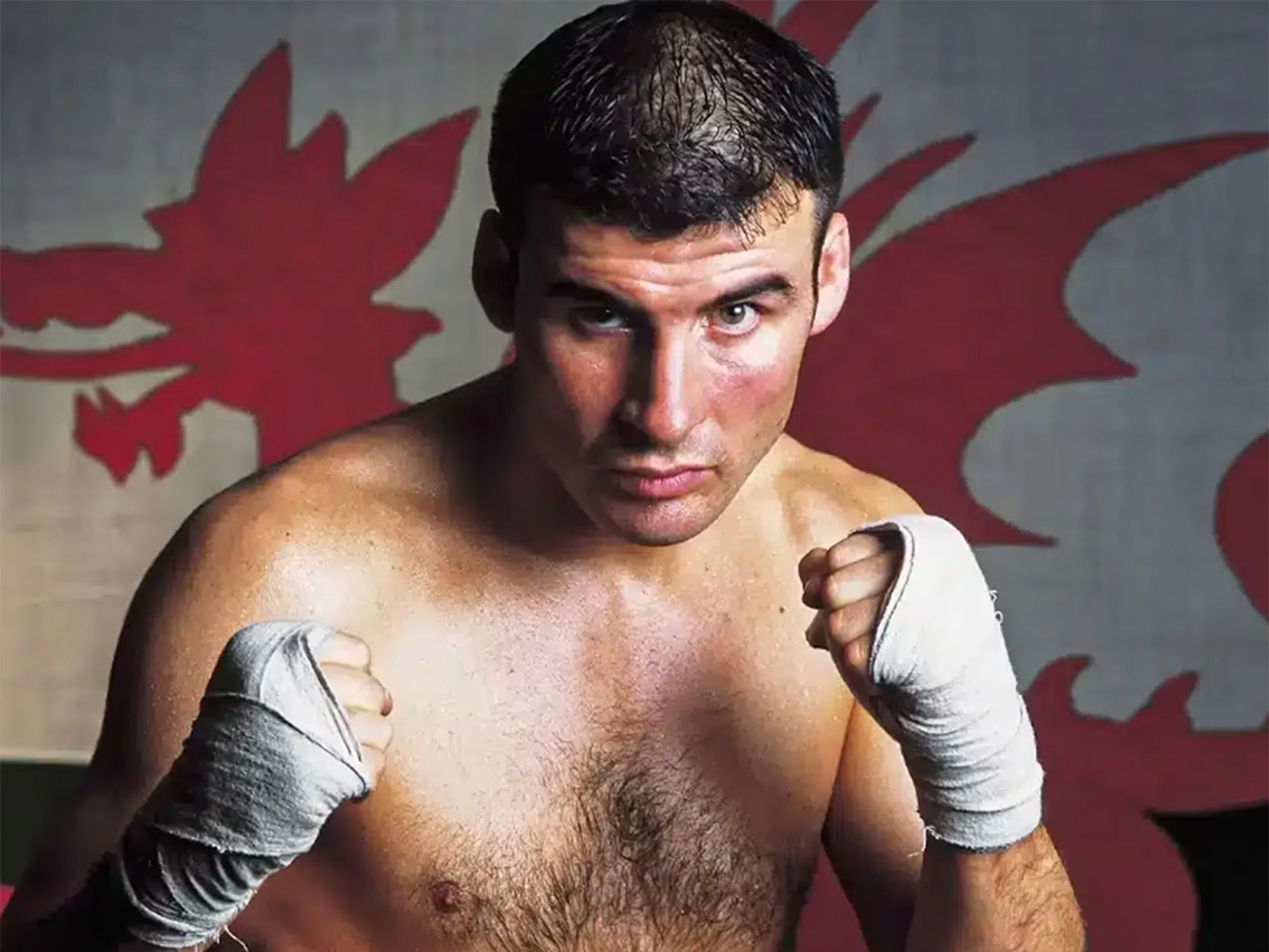
‘I train the same way as I've always trained, even before I was champion. That's the difference, I train like a challenger’ Joe Calzaghe CBE Joseph William Calzaghe was born on 23 March 1972 in W...
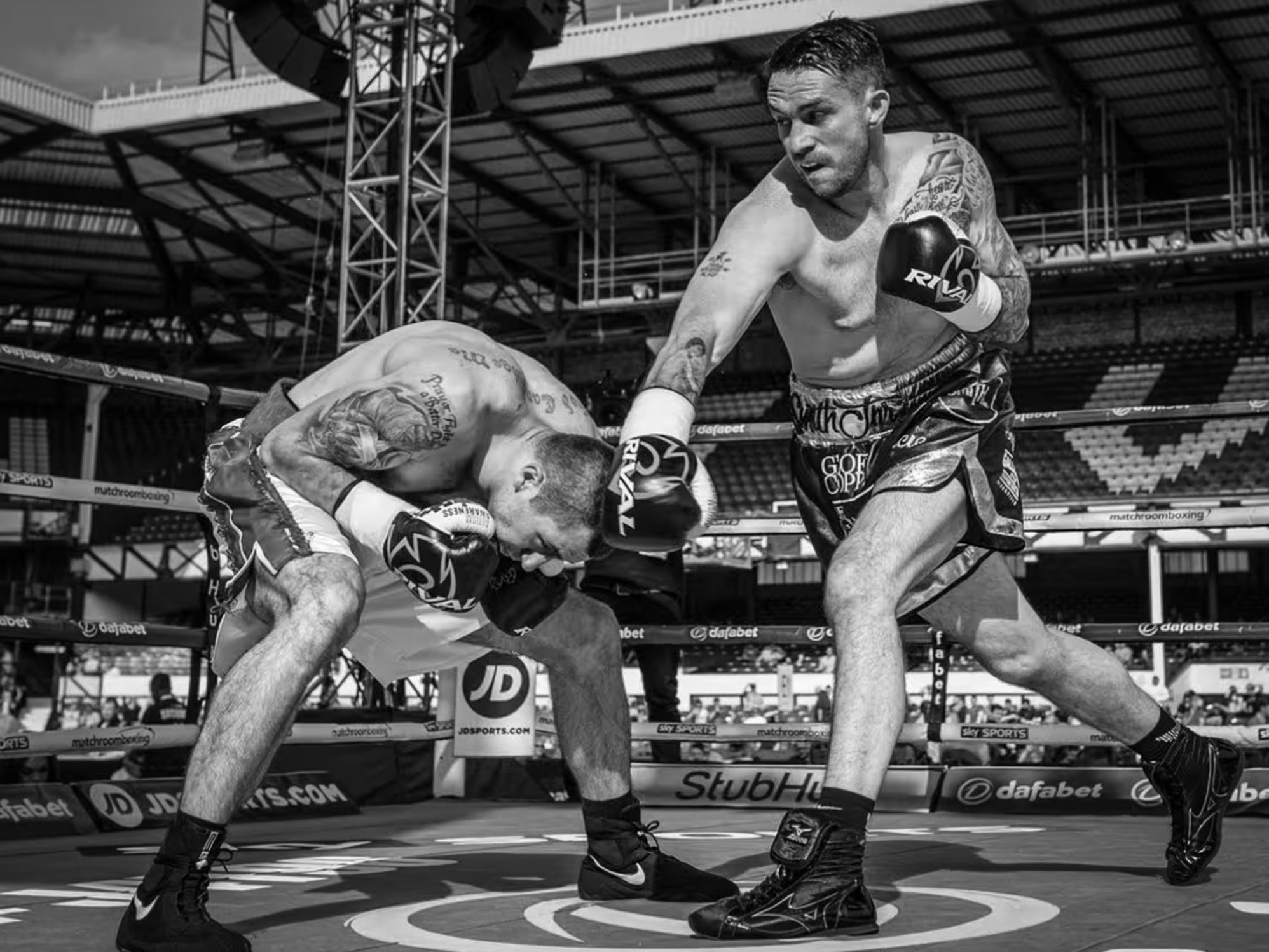
“You’ve got to be dedicated and give everything you got to stay in this sport. I’ve seen so many boxers that are one foot in, one foot out and can take it or leave it, but you need to be obsessed ...